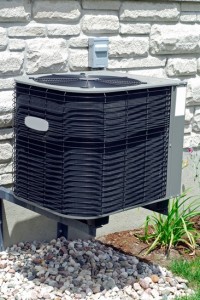
 So you’ve just arrived home in the middle of July and walk into a sauna. What do you do? If this has ever happened to you, you understand that trying to plan a quick AC fix is harder than you’d think. From taking time to try and find the problem, to calling a contractor and waiting for them to arrive, it can literally take days before your AC system is back in operational shape. However, what would you say if I told you there are three easy tips that would help you get your AC fixed in Arizona quicker than ever before?
3 Steps To Help Prepare For Unexpected AC Repairs
Tip #1 – Be Proactive: Find A Good HVAC Contractor Today!
The most time consuming part of finding a qualified contractor to complete any repairs in your home or office is the time actually spent looking for a qualified contractor in the first place. Wouldn’t it be awesome if you were proactive and had a plan in place where you could simply pick up the phone and call a dependable HVAC contractor to show up ASAP?
Here are a few ways to accomplish this quick fix.
- Do Some Research About HVAC Systems
The first thing you should know about your HVAC system is exactly what type, brand and model of HVAC system is keeping your home cool. Having access to this information can significantly improve the repair time. Here is what you should do to accomplish this.
a) Find out what brand and model of cooling system and heating unit you have inside your home.
b) Find out what type of thermostat you have, make, model, and color – every detail possible.
c) Write it down in an emergency action folder that you can easily access in time of crisis.
- Find A Qualified Contractor That Services Your Particular AC System
The next step here is to search online for contractors that complete AC service on your specific type of unit. A simple Google search can help you here. Take time before the repair is needed to call them and ask about their service and repair programs available. If you like them, put their contact information inside your emergency book.
Tip #2 – Find out where the AC System is located
The second tip to expedite your AC repairs is to know the location of your system. If you have a split system, know where your main unit is installed, and where your internal fan system is located. It’s also a good idea to know the location of utility emergency shut off (gas, electrical and water if applicable) in case of emergency.
Tip #3 – Keep your HVAC contractor on Speed Dial
When it’s above 100 degrees outside and your AC decides to break down, scrambling to find the phone number for the HVAC repair guy won’t help provide a quick AC fix or reduce your stress level. It’s always great to be organized, which is why we recommend a centrally located emergency phone number and plan notebook to be located and easy to access when things break down. Keeping your AC repair specialist on your cell phone contact list can go a long way to making sure your air conditioning system gets back online as quick as possible.
Did you know we offer monthly deals and special giveaways? Simply add your email to the form at the top of the right column to collect your monthly deals!
Read the full story at: http://www.scottsdaleair.com/need-a-fast-ac-fix-3-important-tips-to-be-efficient/

 One of the most annoying and stressful things to discover is finding a leak in any major appliance. The reason it is annoying is two-fold:
 There is nothing worse than walking into your home in the dead of summer only to discover your AC system is not working right. When this happens, the first move you often make is to the phone book to call your local HVAC repair company. Who are we kidding – nobody uses the phone book anymore, do they? It’s now estimated that over 80% of homeowners look for contractors online these days and are using phone books as doorstops. Since this is becoming the norm, here are a few tips for finding a good AC repair company in Fountain Hills online.
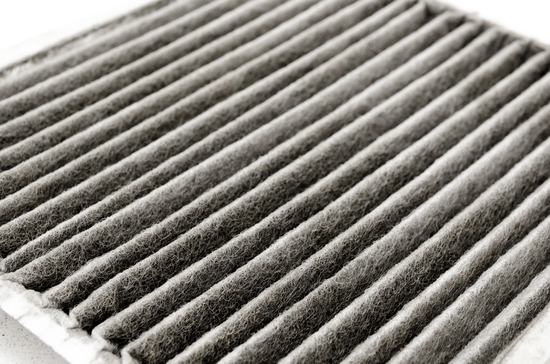 One of the leading causes of common colds, allergies and other illnesses is poor indoor air quality. And in the dusty and windy desert it’s not surprising how common these medical conditions pop up. Recent research by the